
The ASTRAL Project

In integrated multi-trophic aquaculture (IMTA), multiple aquatic species from different trophic levels are farmed together. Thus, waste from one species can be used as input (fertiliser and food) for another species. The EU-funded ASTRAL project will develop IMTA production chains for the Atlantic markets. Focusing on a regional challenge-based perspective, it will bring together labs in Ireland and Scotland (open offshore labs), South Africa (flow-through inshore) and Brazil (recirculation inshore) as well as Argentina (prospective IMTA lab). The aim is to increase circularity by as much as 60 % compared to monoculture baseline aquaculture and to boost revenue diversification for aquaculture producers. ASTRAL will share, integrate, and co-generate knowledge, technology and best practices fostering a collaborative ecosystem along the Atlantic.
Why is ASTRAL important?
Profitable and Empowering
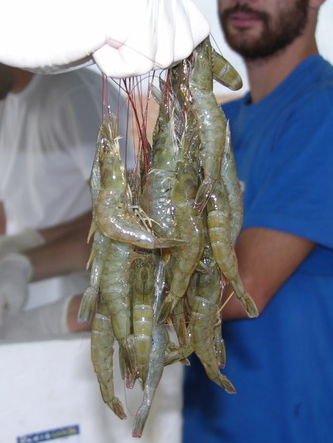
ASTRAL addresses important environmental, social, and economic challenges in ways that promote better quality food that is more sustainable and ethical in its approach. The impact of the project relies on providing a consistent supply, even during times of fluctuating wild fish catches, benefitting both consumers and businesses. The ASTRAL project is currently developing IMTA production chains for the Atlantic markets. IMTA production farms multiple aquatic species from different trophic levels together. Thus, waste from one species can be used as input (fertiliser and food) for another species.
Ethical and Resilient

IMTA production reduces pressure on wild fish populations by promoting the conservation of biodiversity, operating within ecological limits, maintaining water quality, and avoiding habitat destruction. For instance, ASTRAL measures potential environmental and climatic risks for Northern and Southern Atlantic regions, delivering a monitoring programme and recommendations for Harmful Algal Blooms (HABs), pathogens and microplastics.
Sustainable and Innovative

ASTRAL addresses sustainability along a strong Climate-Ocean-Food value chain, linking expected environmental risks to cost-efficiency and best practices of IMTA production. This target is supported by technological innovations including biosensors, sensors, IoT and an AI data analytics platform to be validated at IMTA labs. ASTRAL will share, integrate and co-generate knowledge, technology, practices and efforts with and for society, oriented towards pro-poor and gender-sensitive development.
Our Laboratories

Scotland
Port-a-Bhuiltin

Brazil
Rio Grande do Sul

Ireland
Bertraghboy Bay

South Africa
Cape South Coast

Argentina
Beagle Channel
ASTRAL Specific Objectives (SOs) are:
-
To develop and innovate techniques and species combinations to validate 4 cost-effective IMTA processes from a regional challenge-based perspective, including fish, molluscs, echinoderm, crustacean and algae species.
-
To explore local species from the Beagle Channel in Argentina (to develop a prospective “IMTA lab”) for IMTA production, including fish, crustaceans, molluscs, earthworms and algae species.
-
To provide farmers of aquatic organisms with a profitable IMTA production system, bringing revenue diversification and increasing profitability by at least 30%.
-
To deliver a catalogue of “Atlantic species for the future” based on their resilience, profitability, sustainability and nutritious value; IMTA production manuals and best practices to implement IMTA throughout Atlantic regions.
-
The innovative and technology pool developed by ASTRAL will include:
Two bivalve biosensors
Three UV-IS fluoremeter-spectrometer
Four Real-time monitoring IoT kits
Three Artificial intelligence-based vision sensors
Two improved imaging-based microplastic sensor
An AI data analytics platform to be validated in the relevant environment (TRL 5)
-
To increase circularity by 50-60% through IMTA production, compared to monoculture baseline and determine the best IMTA configurations towards zero waste.
-
To assess the environmental, social and environmental impact of IMTA labs in Ireland, South Africa, Scotland and Brazil.
-
To assess IMTA requirements to comply with organic standards aiming towards new future multi-trophic eco value chains.
-
To provide a collaborative ecosystem for understanding and applying a sustainable harnessing of Atlantic Ocean resources.
-
To reinforce capacity development by delivering an ambitious and gender-sensitive human capital development plan (HUCAP) aligned with existing training programmes, which will improve professional skills and create a highly trained workforce.
-
To identify and characterise potential environmental discharges of micron-sized plastic fragments – microplastics (emerging pollutants) within IMTA recirculation inshore systems.
-
To identify potential environmental and climatic risks for Northern and Southern Atlantic regions (Ireland, South Africa, Scotland and Brazil) and mitigate risks related to climate change and environmental threats.
-
To provide key economic and business tools to aquaculture producers for IMTA adoption and implementation by delivering new business models for IMTA production and a cost-benefit analysis.
-
To share and integrate co-generated knowledge, technology, practices and efforts with and for society, oriented towards pro-poor and gender-sensitive development by social acceptance and policy recommendations.
-
To carry out cross-Atlantic governance assessments and IMTA value chain consumer perceptions and social license assessments.
-
To disseminate and ensure visibility of ASTRAL activities and results at international events, ocean literacy activities, high-level and/or technical meetings, workshops and conferences, and articles in peer-reviewed high-impact journals.